Luxor
The world’s greatest open-air museum — half a pharaonic empire packed into one bend of the river, temples on one bank and tombs on the other.
A city built on two banks — the living on the east, the dead on the west.
Ancient Thebes was the capital of Egypt at its height, and it never really left. On the East Bank stand Karnak and Luxor Temple, still lit at night; across the Nile the West Bank hides the Valley of the Kings, Hatshepsut’s terraced temple and the tomb-painters’ own village.
Luxor is the natural heart of any Nile trip — most cruises begin or end here, and a sunrise balloon over the West Bank is the single most-photographed morning in Egypt.
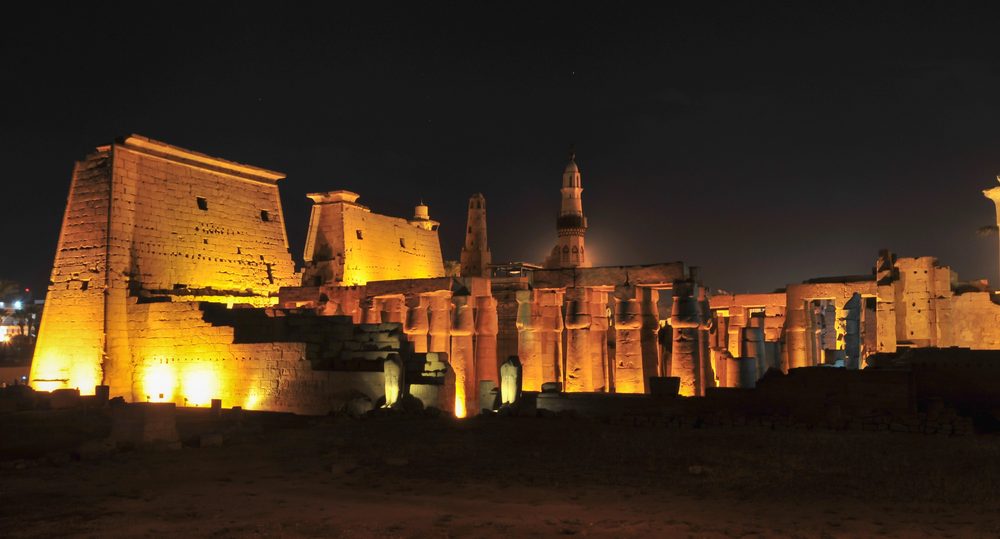
Five reasons to cross the river.
Every Luxor tour on Sawa mixes East Bank temples with West Bank tombs — your itinerary tells you which.
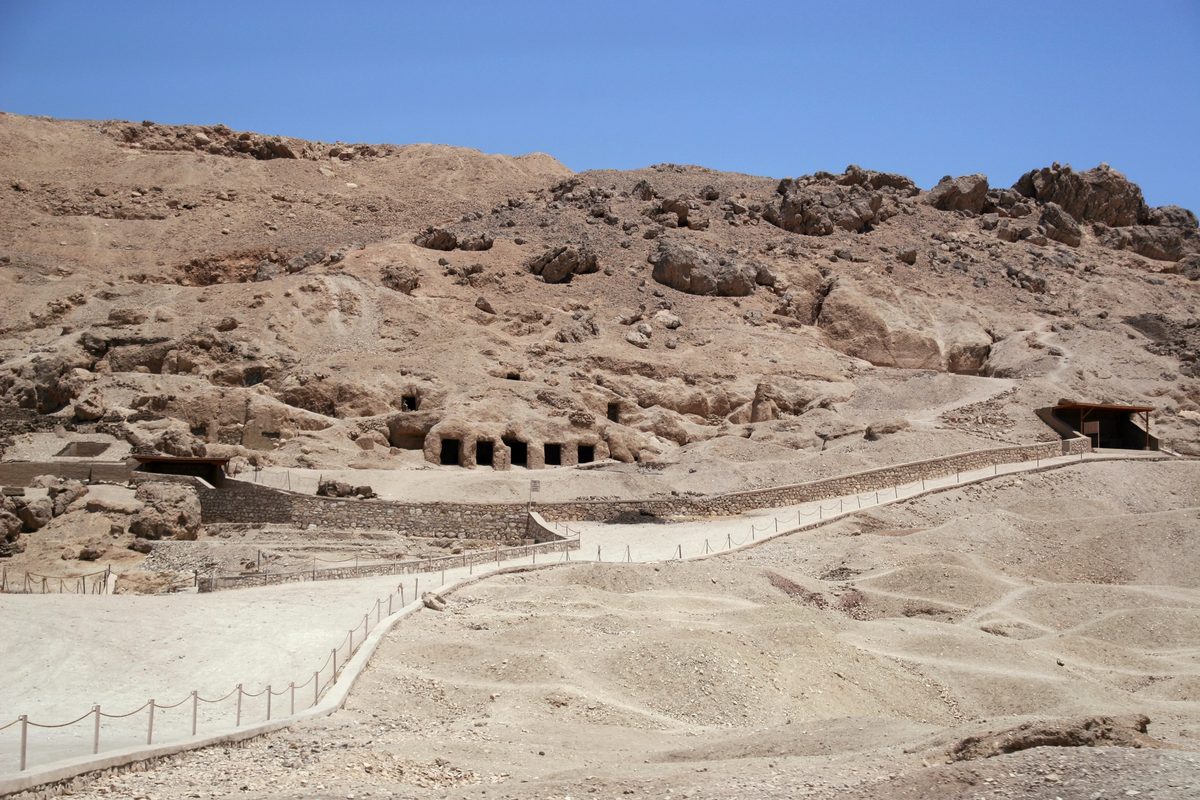
The Valley of the Kings
Sixty-plus royal tombs cut into the cliffs — Tutankhamun, Ramesses and Seti among them, their colours still vivid underground.
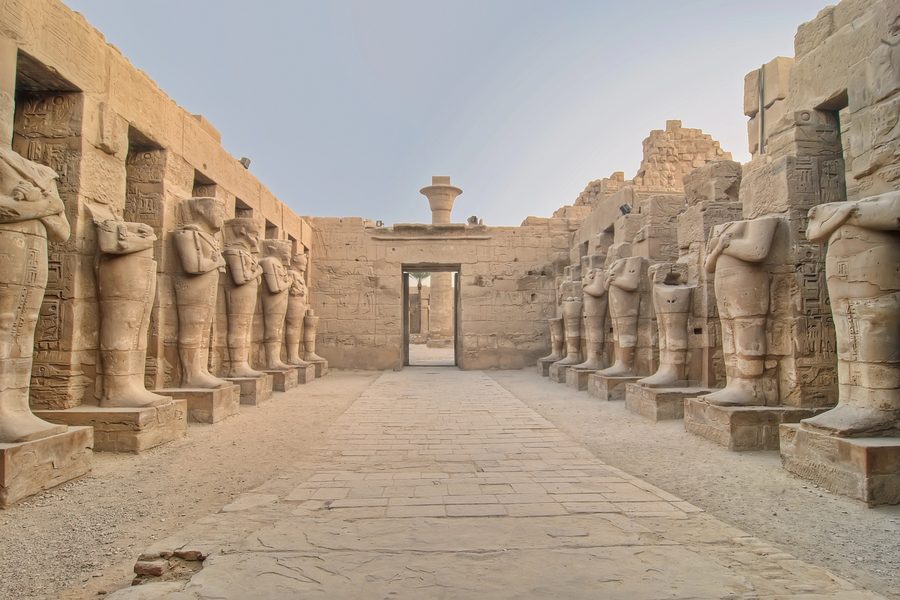
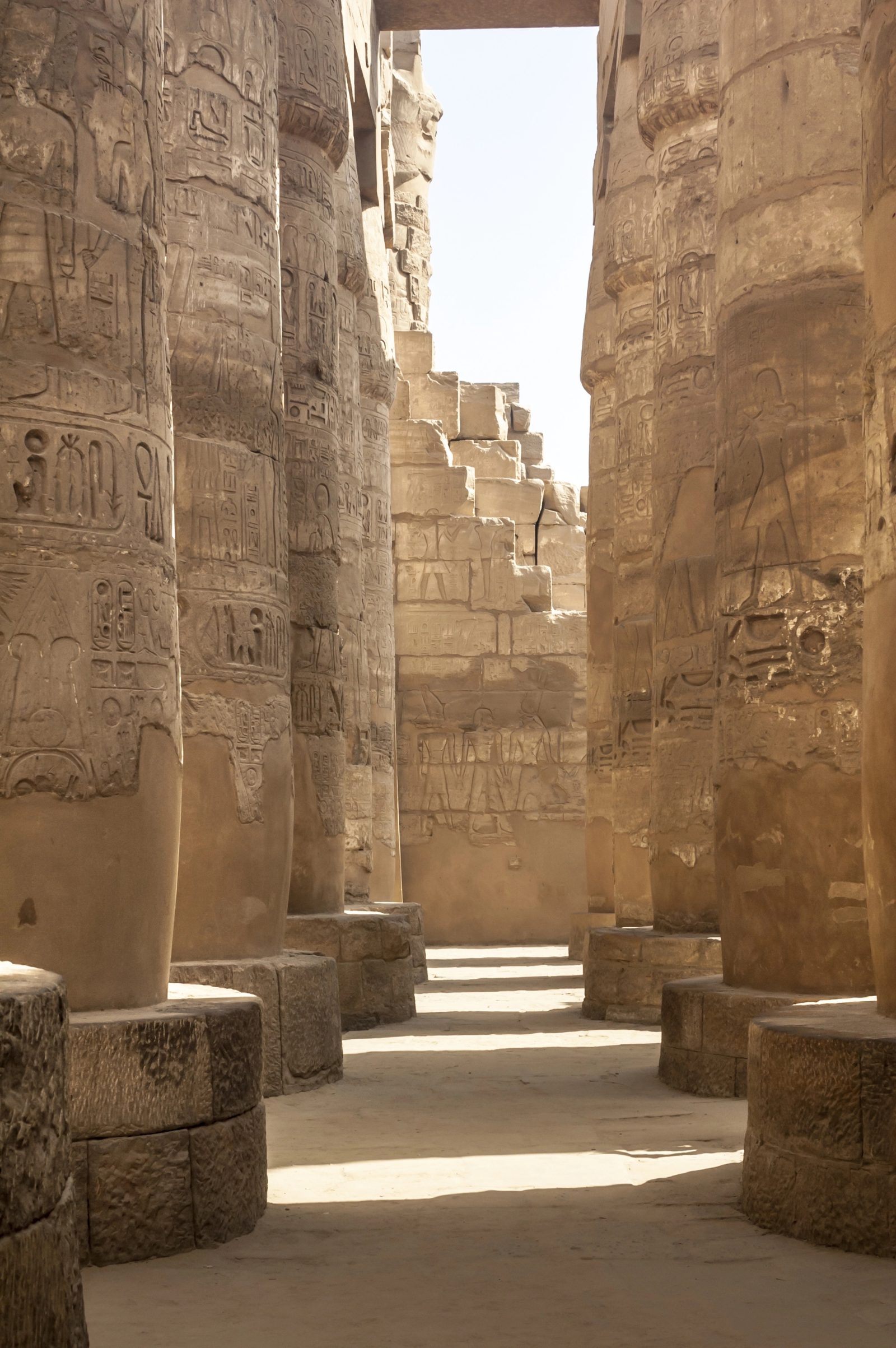
Karnak Temple
The largest religious complex ever built, and its forest of giant papyrus columns in the hypostyle hall.
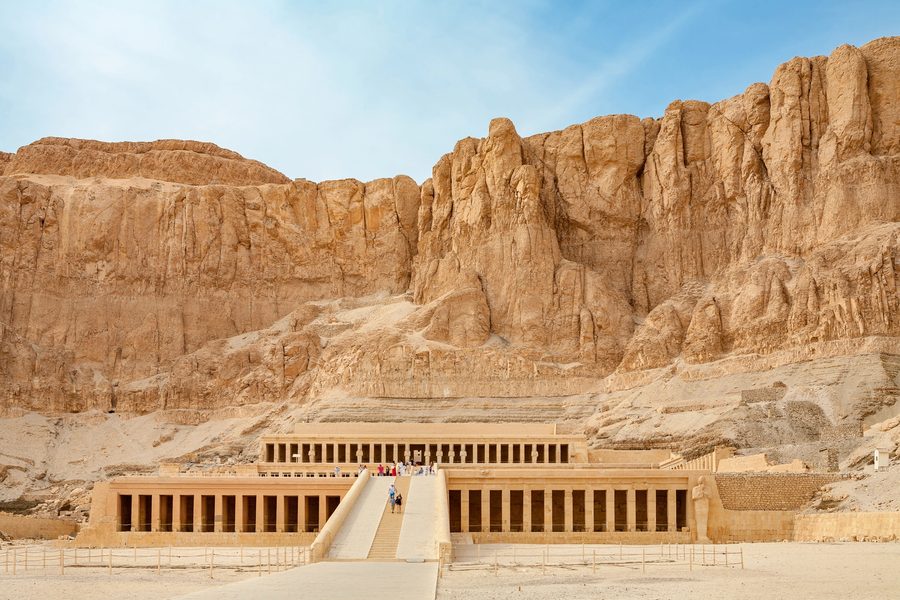
Temple of Hatshepsut
The terraced mortuary temple of Egypt’s most powerful queen, rising in clean lines against the cliff.
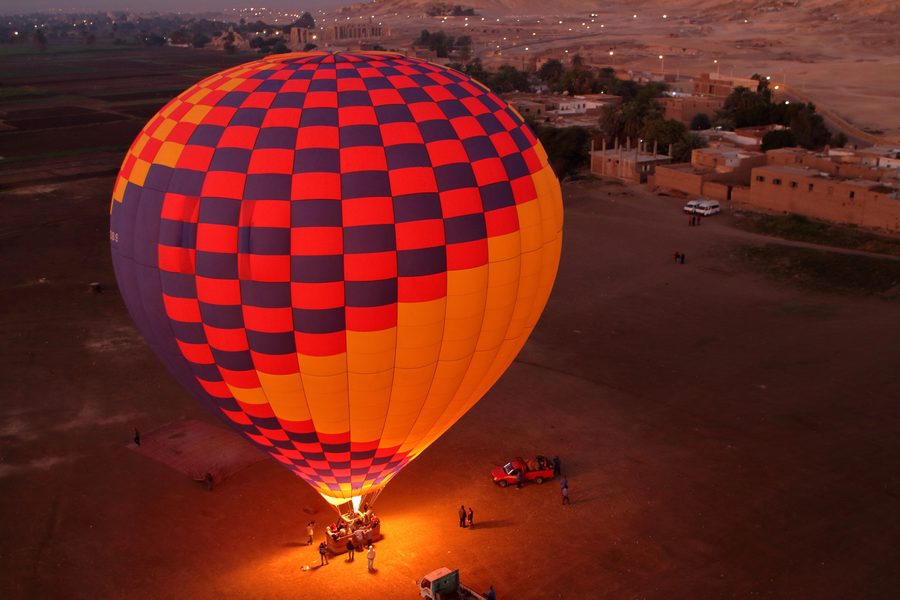
Sunrise hot-air balloon
Drift over temples, tombs and green fields as the sun comes up — the classic Luxor morning.
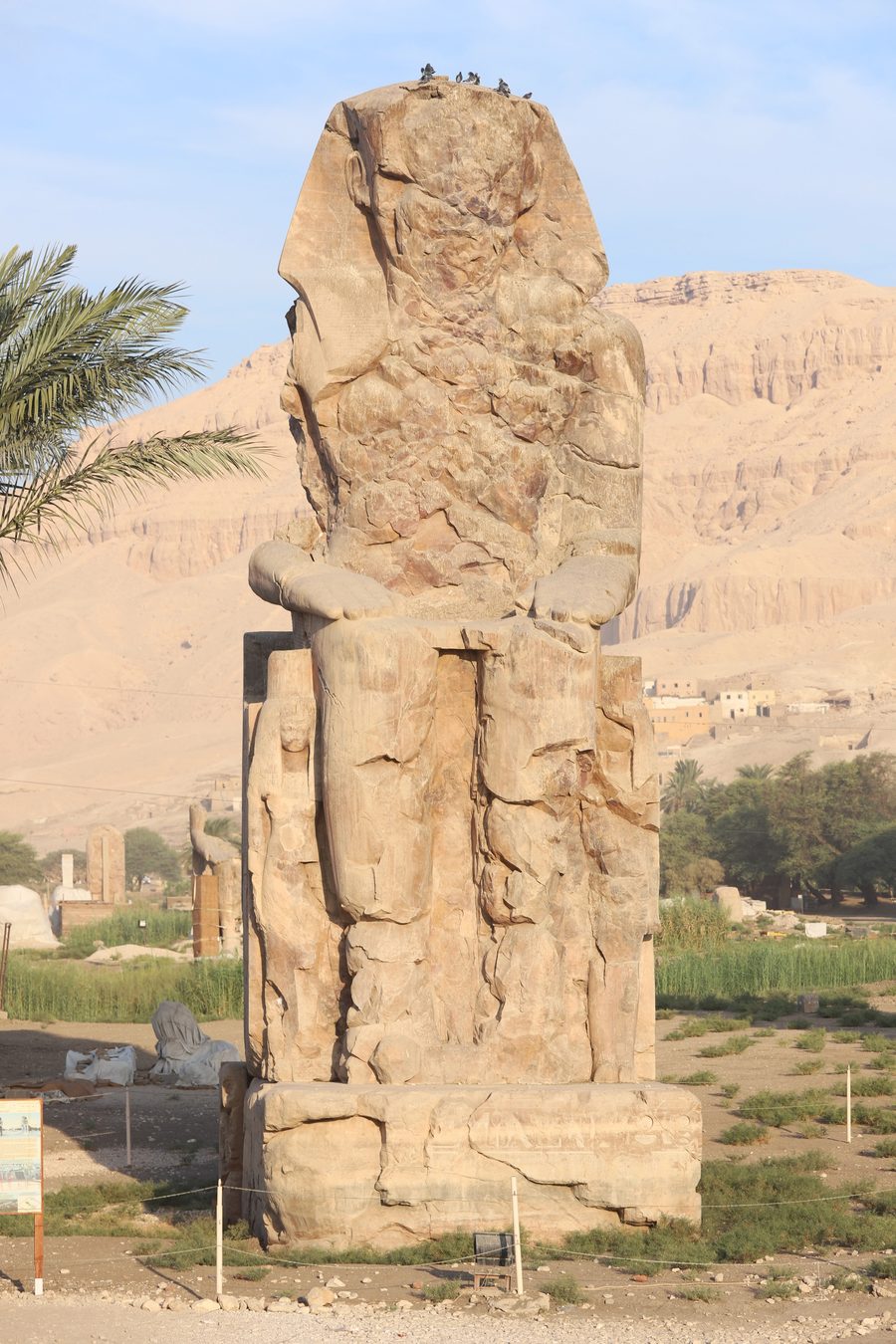
The Colossi of Memnon
Two weathered giants of Amenhotep III that have greeted travelers on the road west for three millennia.
Shared departures forming here.
Loading live departures…
Before you go to Luxor.
Best season
October to March is comfortable. Summers are very hot — balloon flights and tombs go early in the day.
Getting around
Sites sit on both banks of the Nile; every Sawa tour handles the crossings and transport for you.
How long to stay
Two days covers East and West Bank; a third lets you add a balloon or the far temples of Dendera and Abydos.
Pairs well with
Sail on to Aswan — the classic Nile cruise runs Luxor to Aswan past Edfu and Kom Ombo.