Aswan
Egypt’s softest, sunniest city — where the Nile turns blue between granite islands and the Nubian south begins.
The place the whole country comes to slow down.
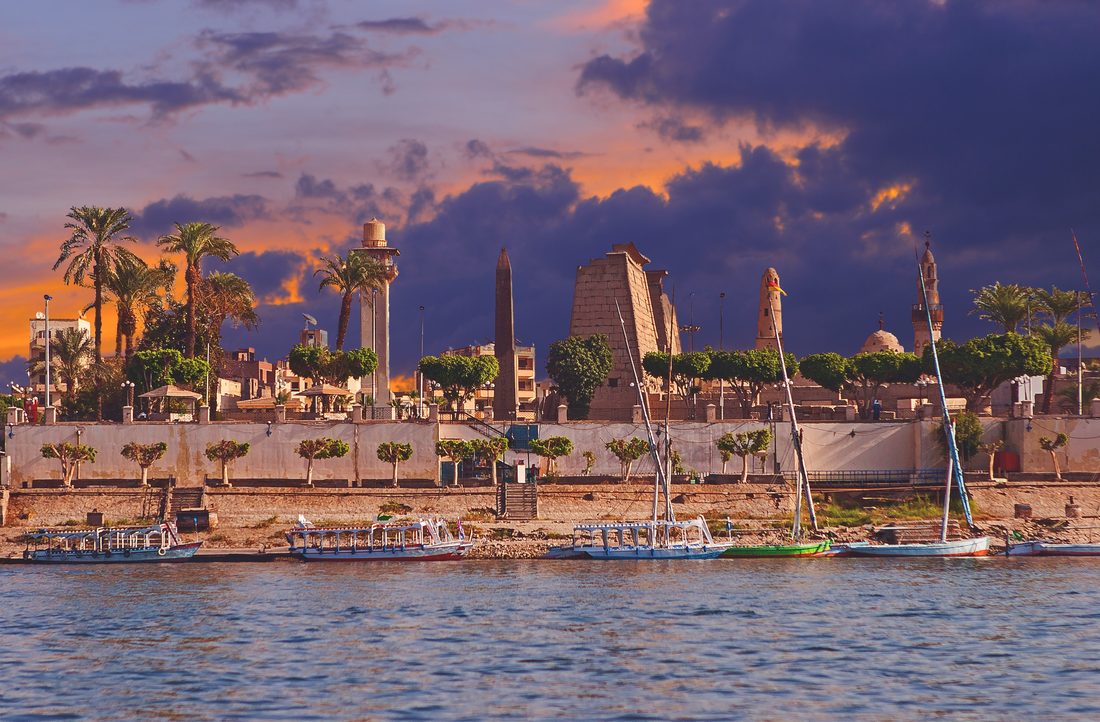
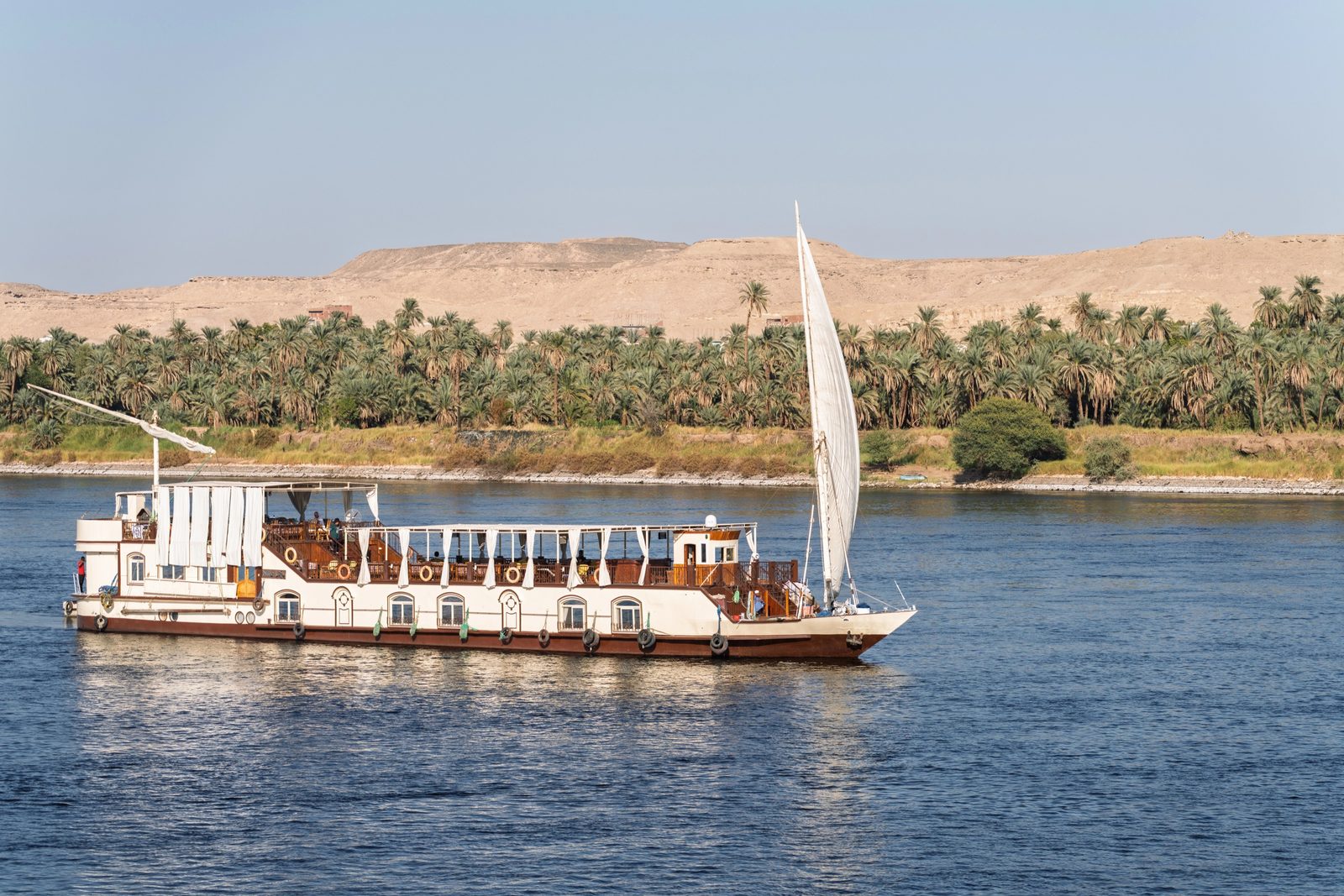
Aswan is where the Nile is at its most beautiful — wide, clear and scattered with granite islands and white-sailed feluccas. The ancient Egyptians quarried their obelisks here, and the island temple of Philae still sits mid-river, moved stone by stone to save it from the dam.
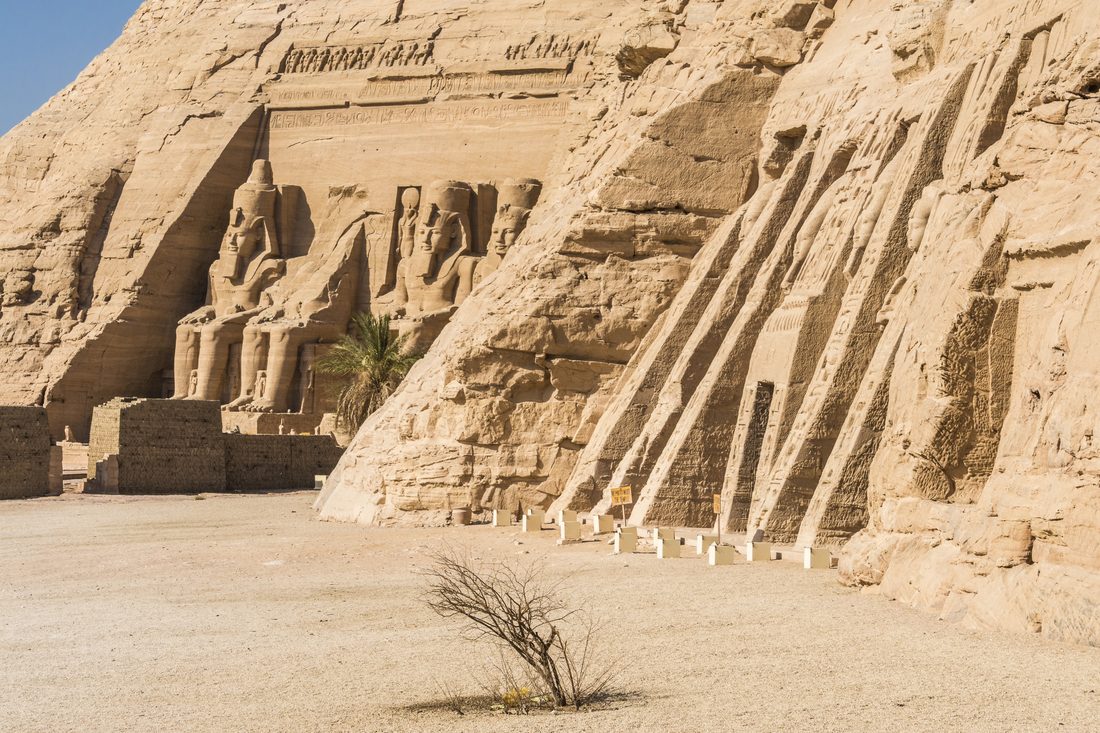
This is also the gateway to Nubia, with its brightly painted villages and its own language and music. Most travelers use Aswan as the southern end of a Nile cruise and the launch point for Abu Simbel.
Five reasons to come this far south.
Every Aswan tour on Sawa blends temples, the river and Nubian culture — your itinerary tells you which.
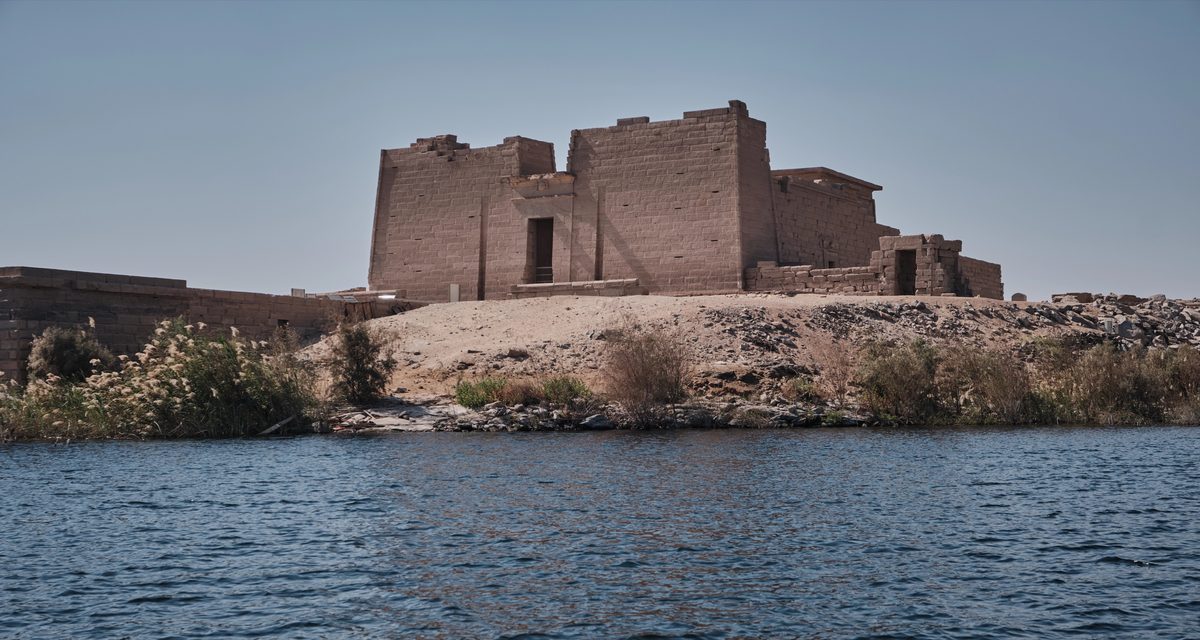
Philae Temple
The temple of Isis on its own island, rescued from the rising Nile and reached only by boat.
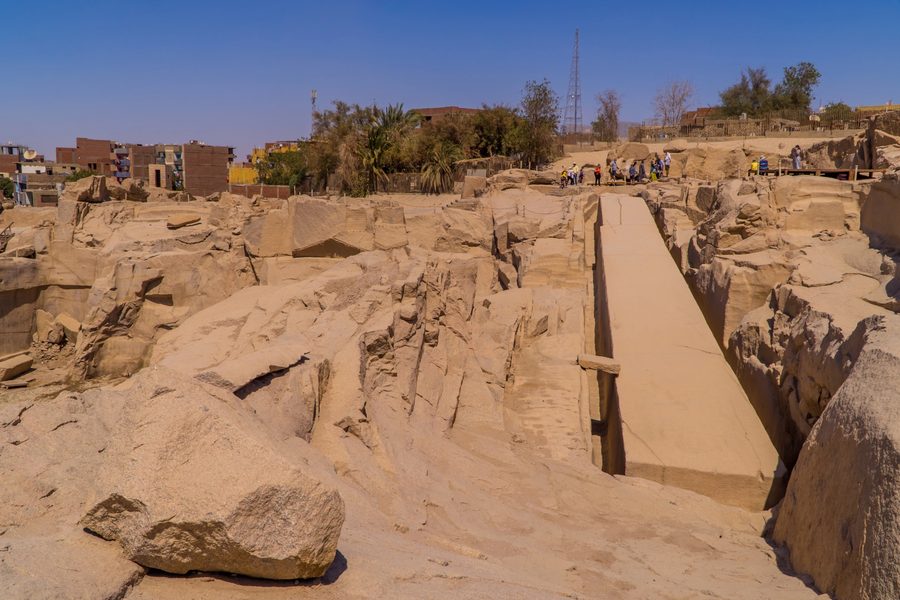
The Unfinished Obelisk
A colossal obelisk still lying in the granite it was carved from — abandoned when it cracked, 3,000 years ago.

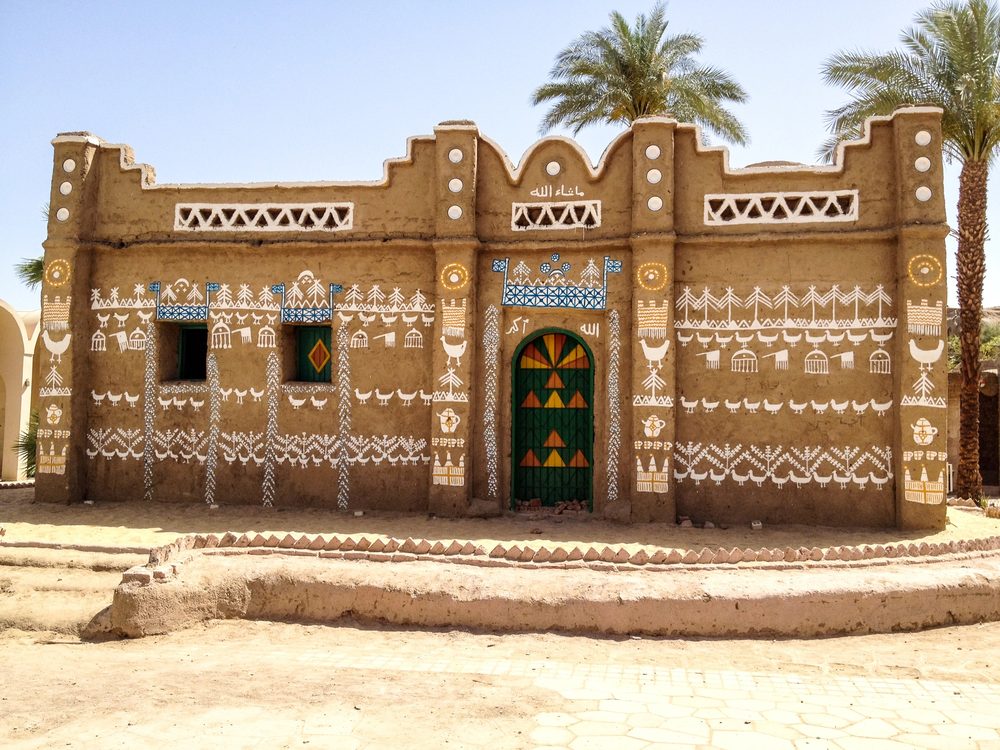
A Nubian village
Indigo-and-ochre houses, spice-scented courtyards and the warmest welcome on the river.
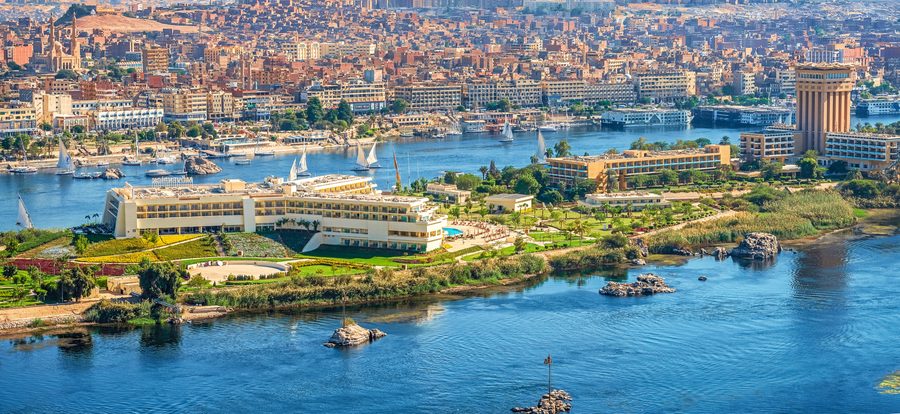
Feluccas on the Nile
Sail the first cataract at sunset on a traditional white-sailed boat — the definitive Aswan hour.
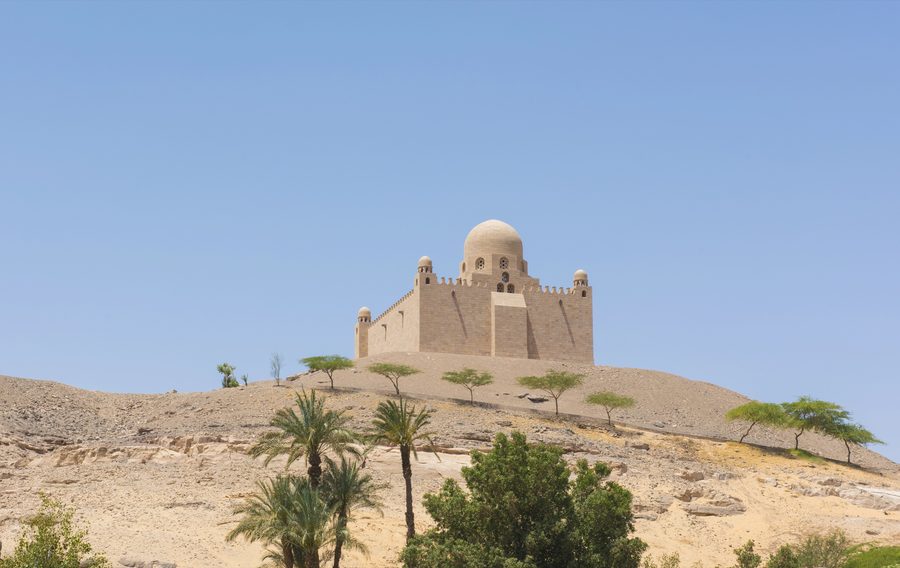
Aga Khan & St Simeon
The hilltop mausoleum and a ruined desert monastery looking out over the river.
Shared departures forming here.
Loading live departures…
Before you go to Aswan.
Best season
October to March is warm and dry — Aswan is the sunniest city in the country, and mild all winter.
Getting around
Much of Aswan is reached by boat; every Sawa tour arranges the felucca and motorboat crossings.
How long to stay
Two days covers Philae, the obelisk and a Nubian village; add a night for the Abu Simbel run.
Pairs well with
Abu Simbel is a day trip south; northbound, the cruise sails to Luxor via Kom Ombo and Edfu.