Abu Simbel
Egypt’s most staggering monument — four seventy-foot pharaohs cut from a cliff at the very edge of the country, and lifted whole to escape a rising lake.
A mountain carved into a temple — then moved, block by block, to higher ground.
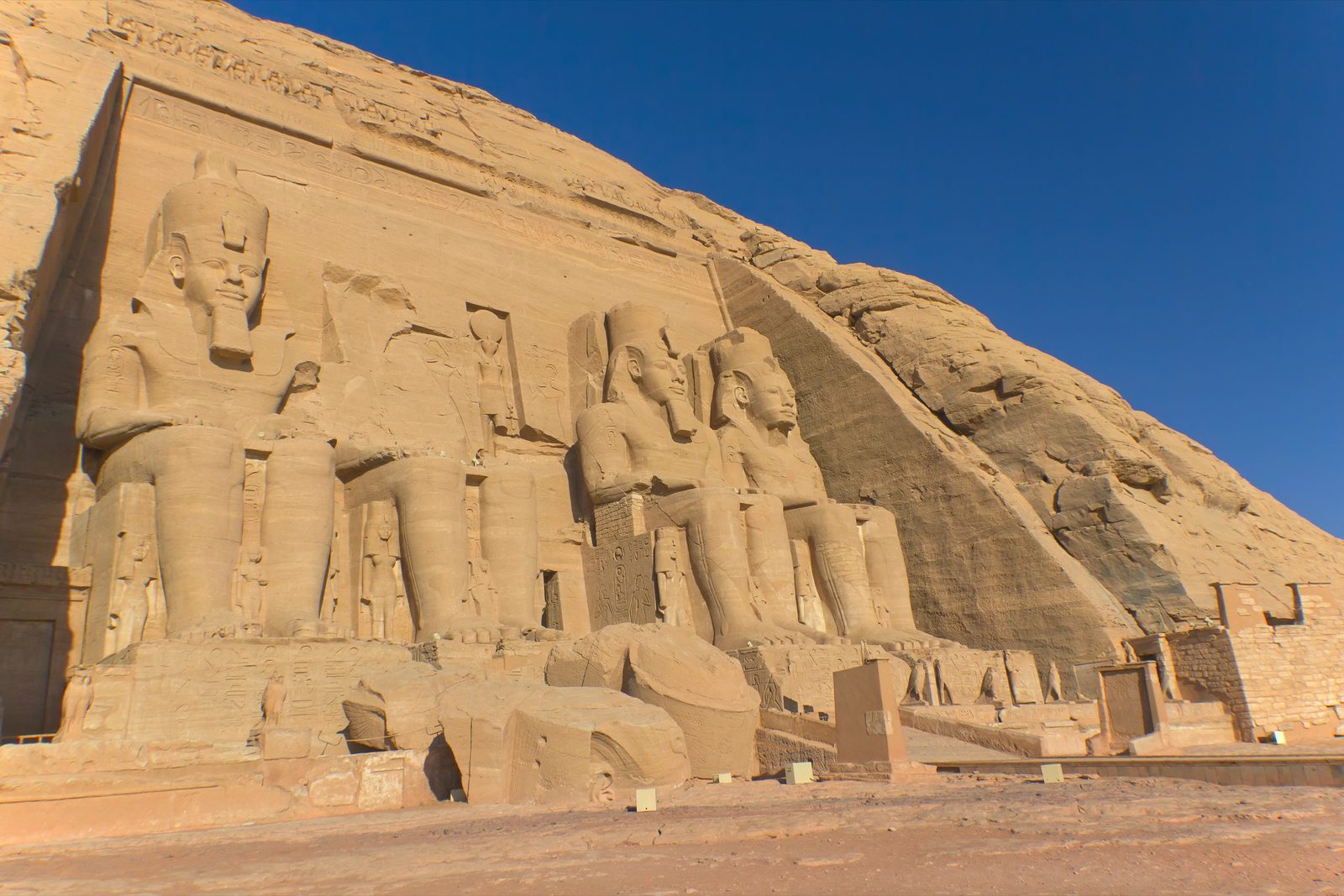
Ramesses II ordered these two temples cut straight into the sandstone cliff above the Nile, guarded by four colossal statues of himself and a smaller temple for his queen, Nefertari. For over 3,000 years they watched the river; in the 1960s, as Lake Nasser rose behind the High Dam, the entire mountain was sawn into blocks and rebuilt sixty metres higher.
Twice a year the rising sun still lines up through the great temple to light the gods in its innermost sanctuary. Abu Simbel sits near the Sudanese border and is reached on a long, worthwhile day from Aswan.
Four reasons it’s worth the drive.
Every Abu Simbel tour on Sawa centres on the two temples and the story of their rescue — your itinerary tells you which.
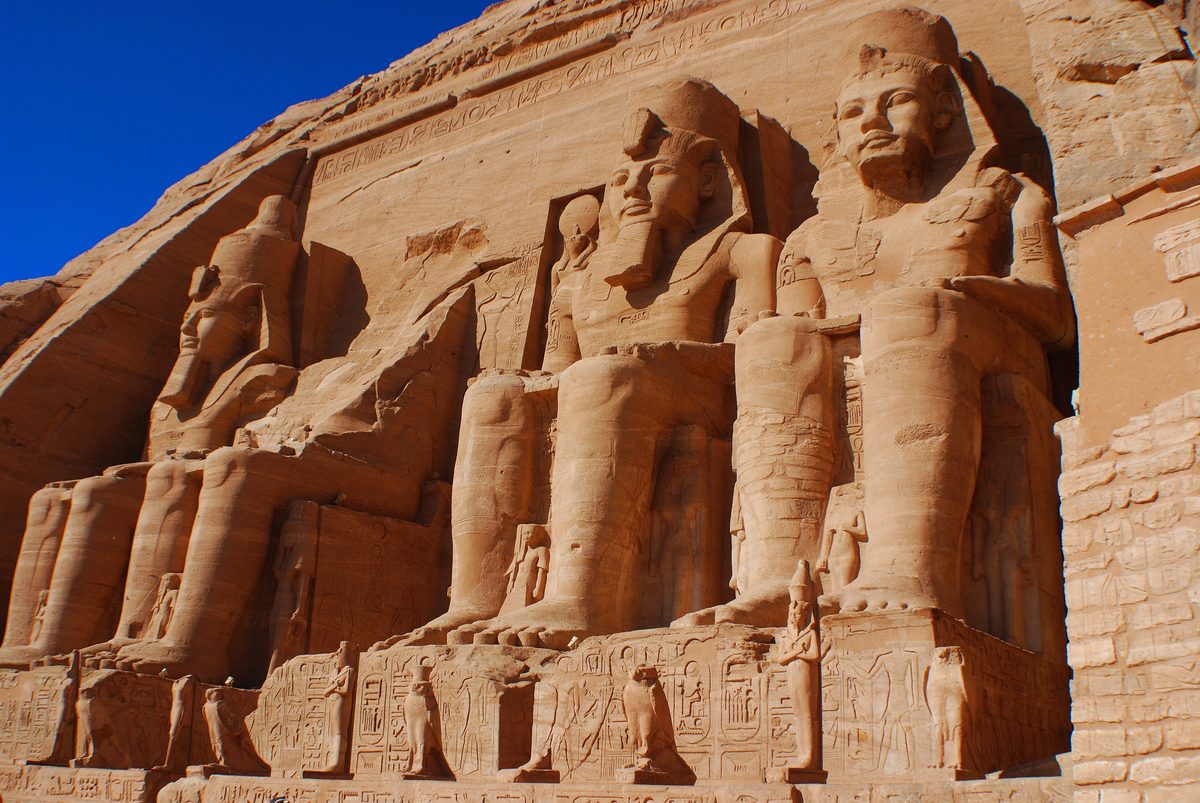
The four colossi of Ramesses
Four seated giants of Ramesses II, each over twenty metres tall, carved from the living rock of the cliff.
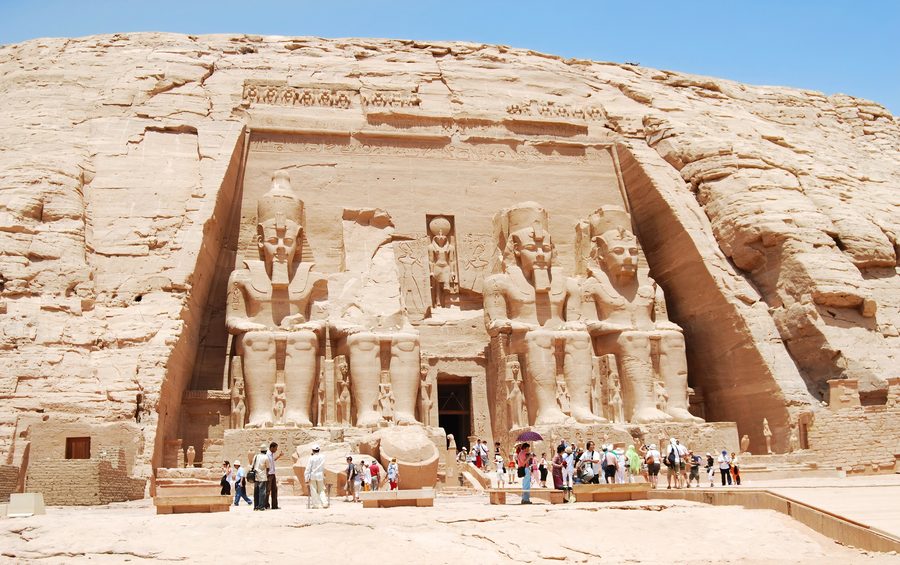
The temple facade
The full sweep of the Great Temple front, one of the most photographed facades in the ancient world.
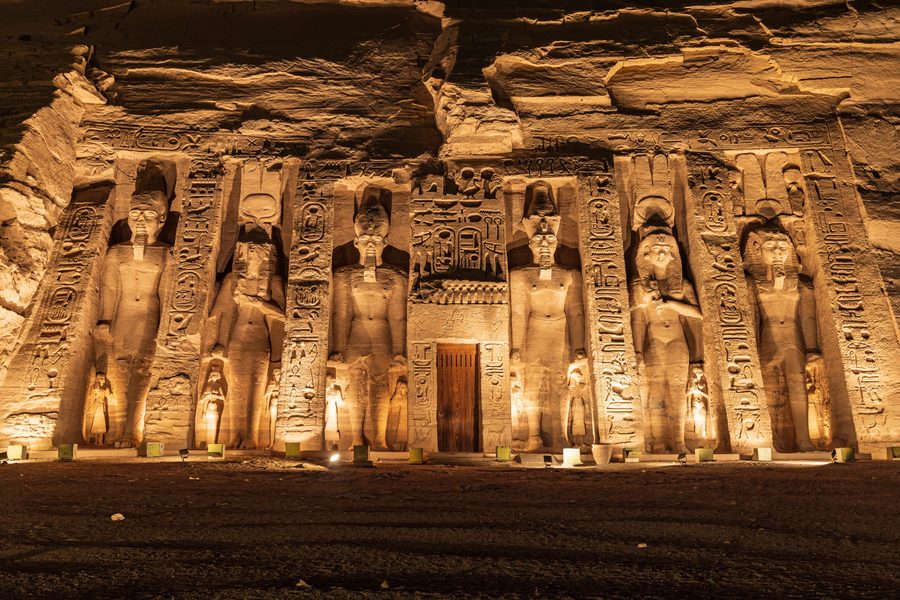
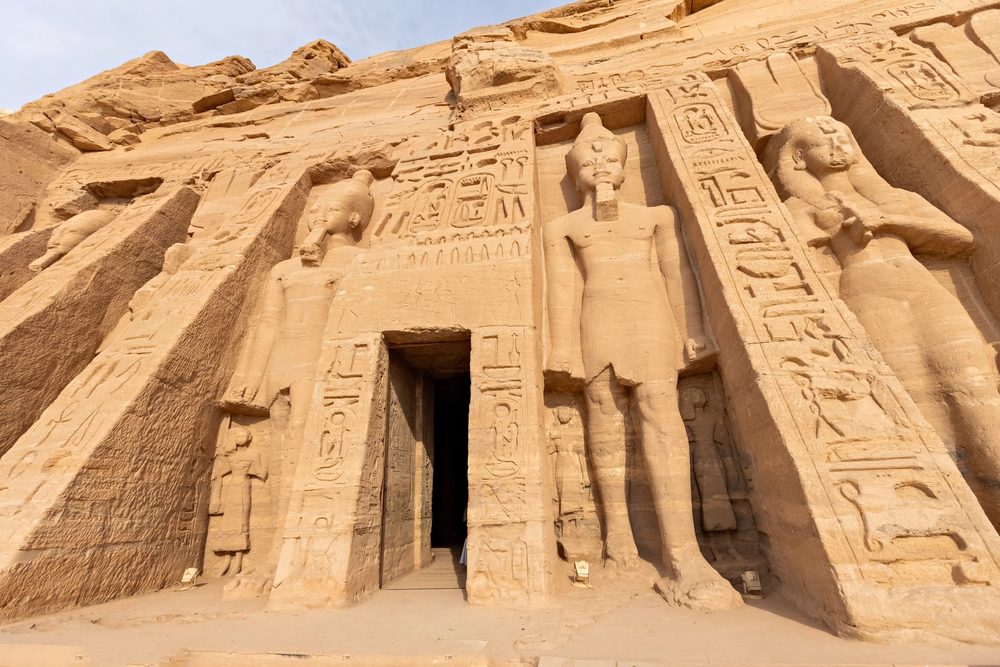
Nefertari’s temple
The rarer temple to a queen, its facade lined with statues of Nefertari standing equal to the king.
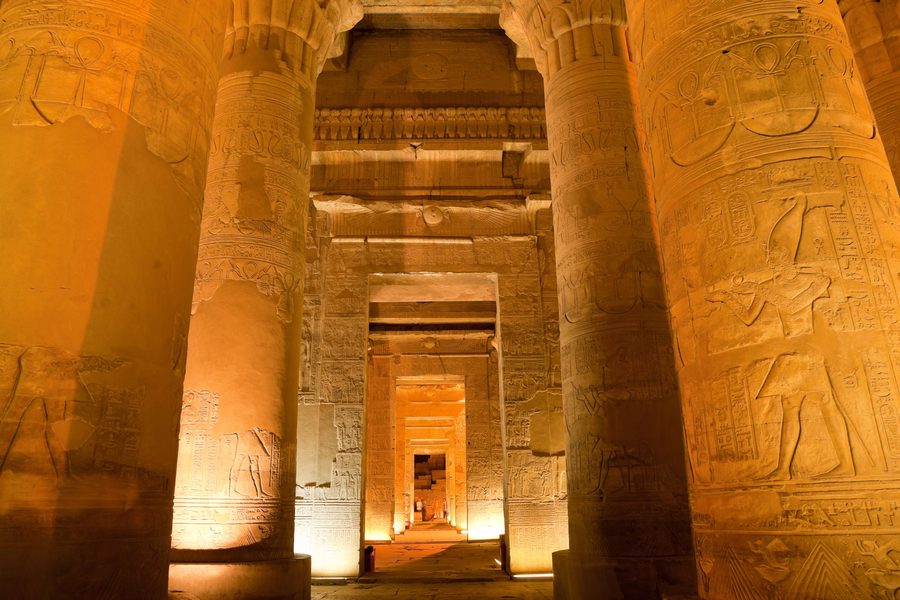
The inner halls
Pillared halls and painted reliefs of Ramesses at the Battle of Kadesh, deep inside the rebuilt mountain.
Shared departures forming here.
Loading live departures…
Before you go to Abu Simbel.
Best season
October to March is cooler for the long desert drive; the sun festival falls around 22 Feb and 22 Oct.
Getting there
It’s a long day south from Aswan by road — Sawa tours handle the early start, the convoy and the guide.
How long to stay
Usually a single very full day from Aswan; some itineraries add a night to see it at dawn.
Pairs well with
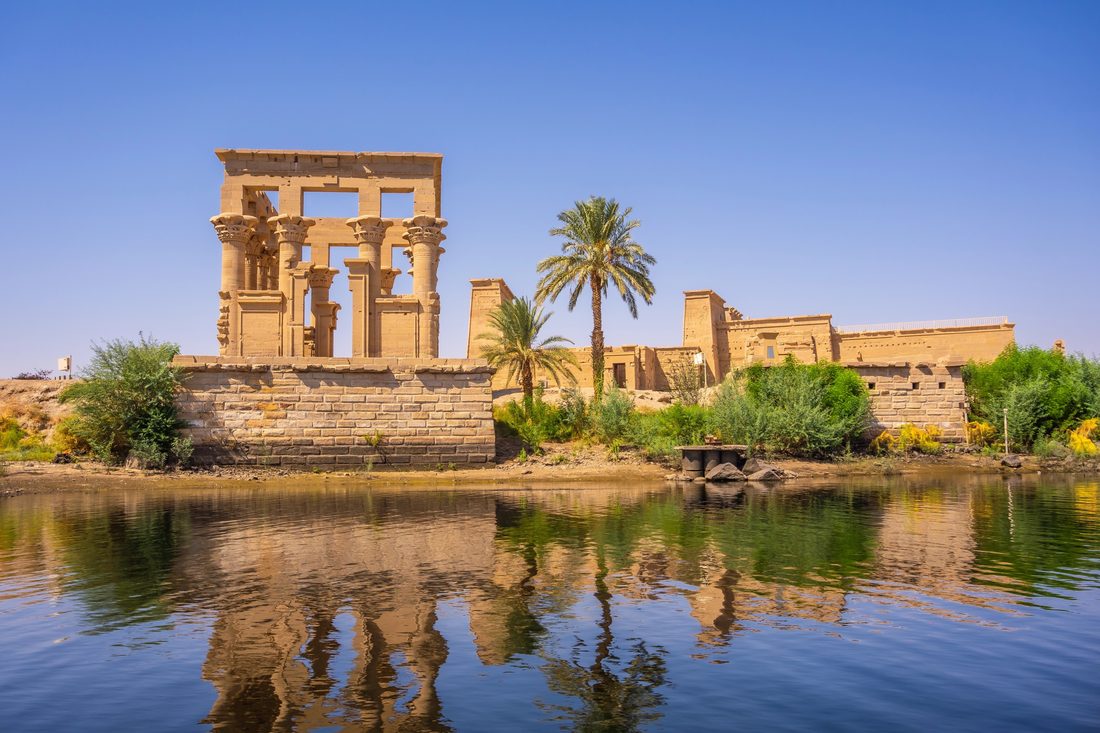
Combine with a day or two in Aswan — Philae, the obelisk and a felucca on the Nile.