Siwa Oasis
A world apart near the Libyan border — palm groves and turquoise salt lakes, a Berber culture all its own, and the oracle Alexander the Great crossed a desert to consult.
The oasis Alexander crossed a desert to reach.
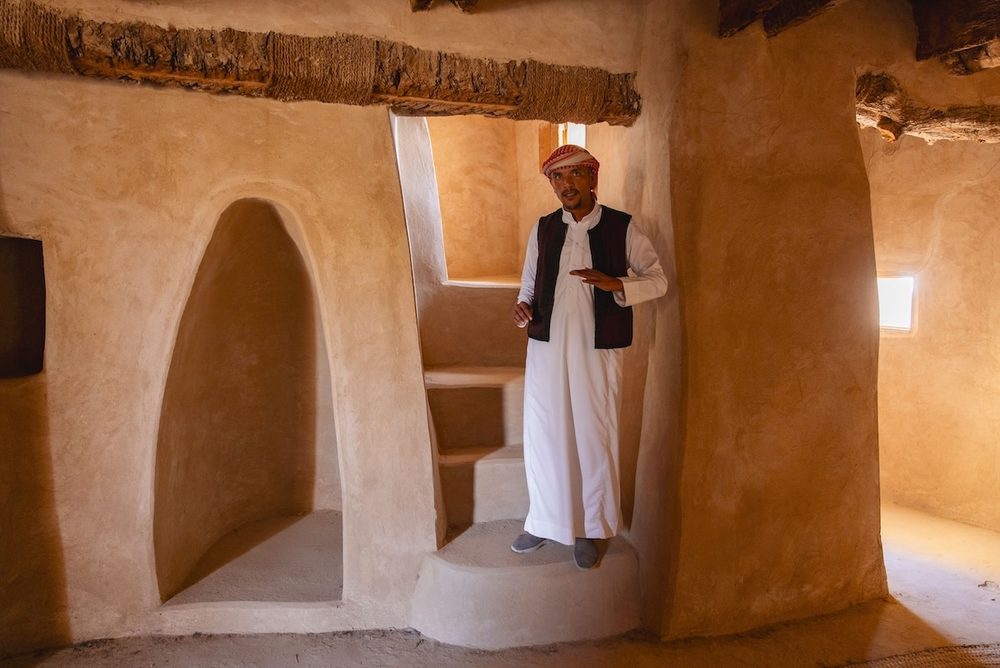
Siwa lies far out in the Western Desert, closer to Libya than to the Nile, and it has kept its own Berber language, dress and mudbrick architecture. Alexander the Great came here in 331 BC to consult the Oracle of Amun; the ruins of that temple still crown a rock above the palms.
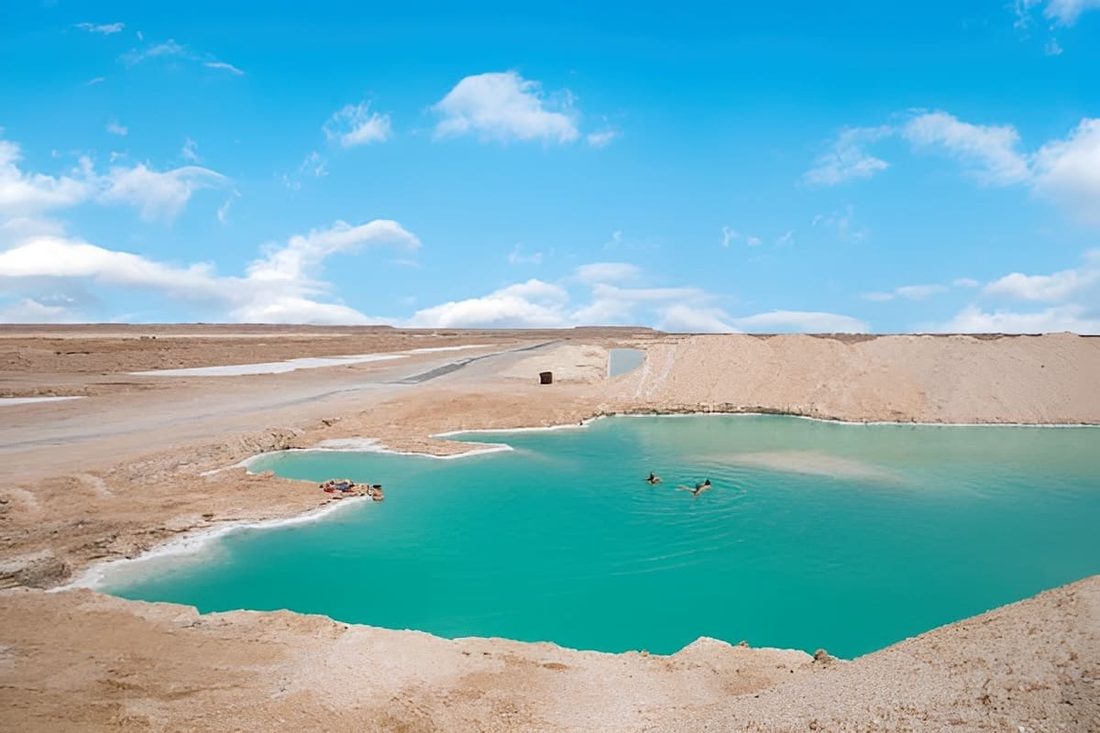
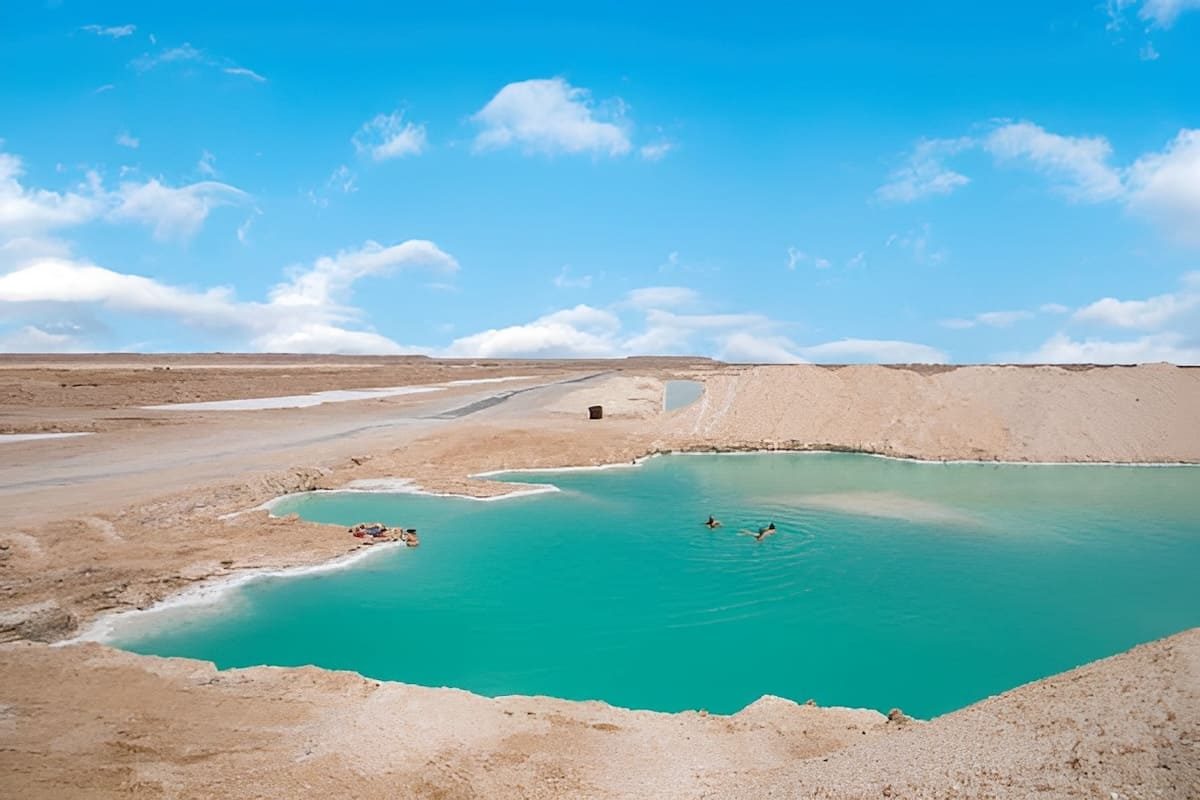
Days are spent floating in salt pools, walking the melted ruins of the Shali fortress and driving into the Great Sand Sea for sunset. It is the quietest, strangest and most restful corner of Egypt Sawa travels to.
Five reasons to cross the desert.
Every Siwa tour on Sawa mixes the oasis, its springs and the open sand — your itinerary tells you which.
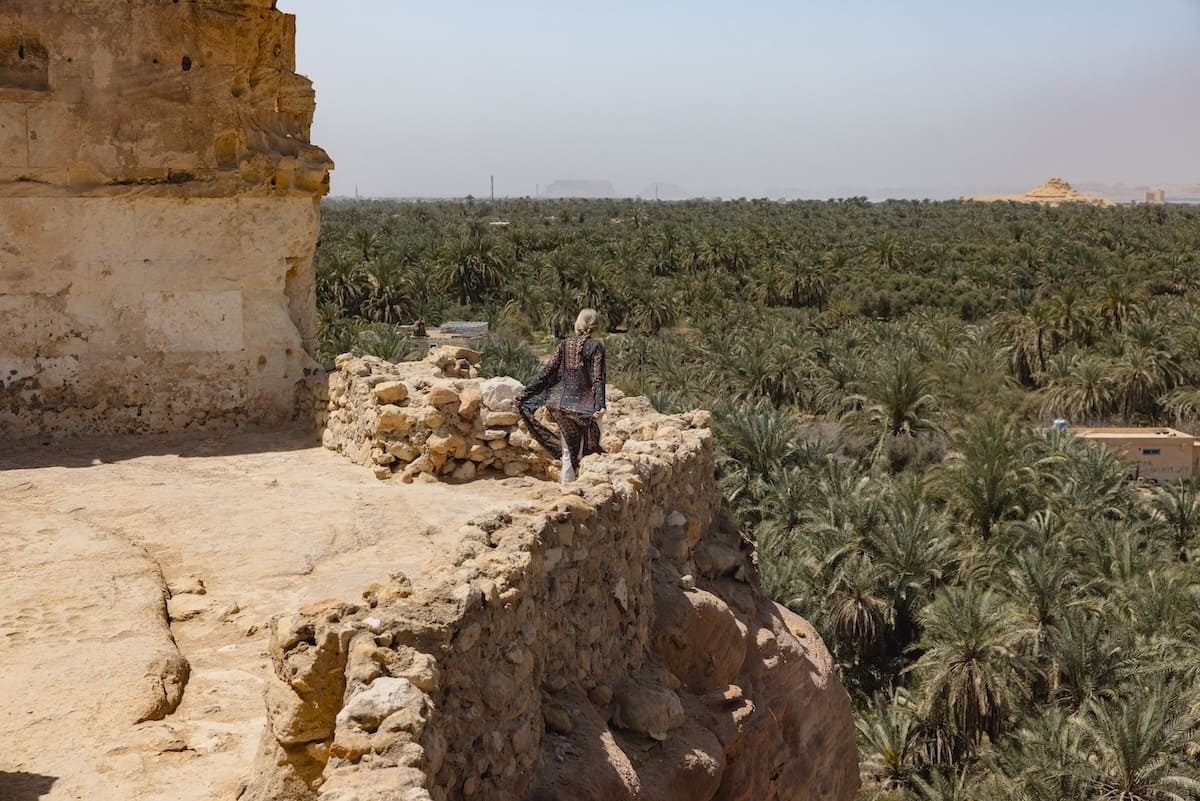
The Oracle of Amun
The temple oracle Alexander the Great crossed the desert to consult, still standing above the palm groves.
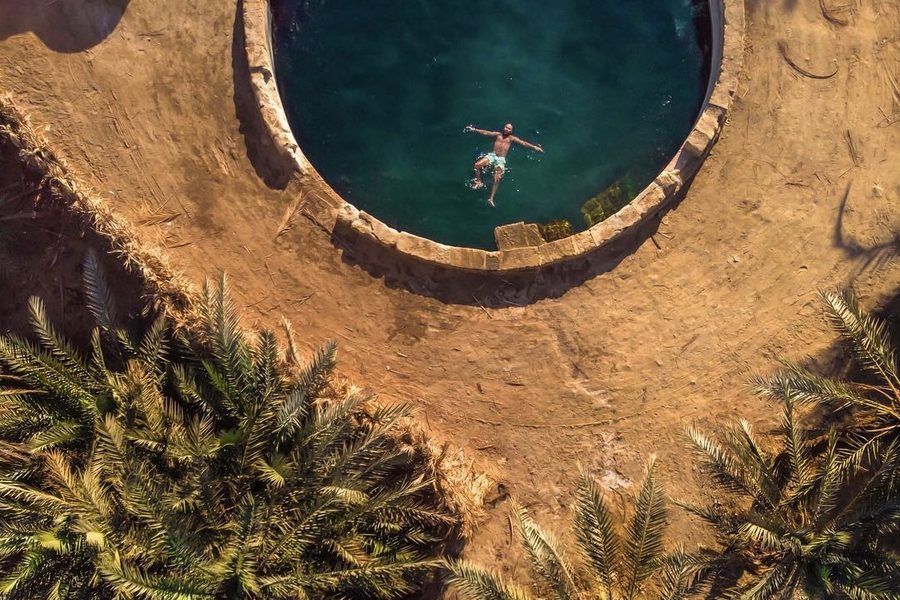
Salt lakes & springs
Turquoise salt pools you float in effortlessly, and palm-shaded freshwater springs to cool off in.
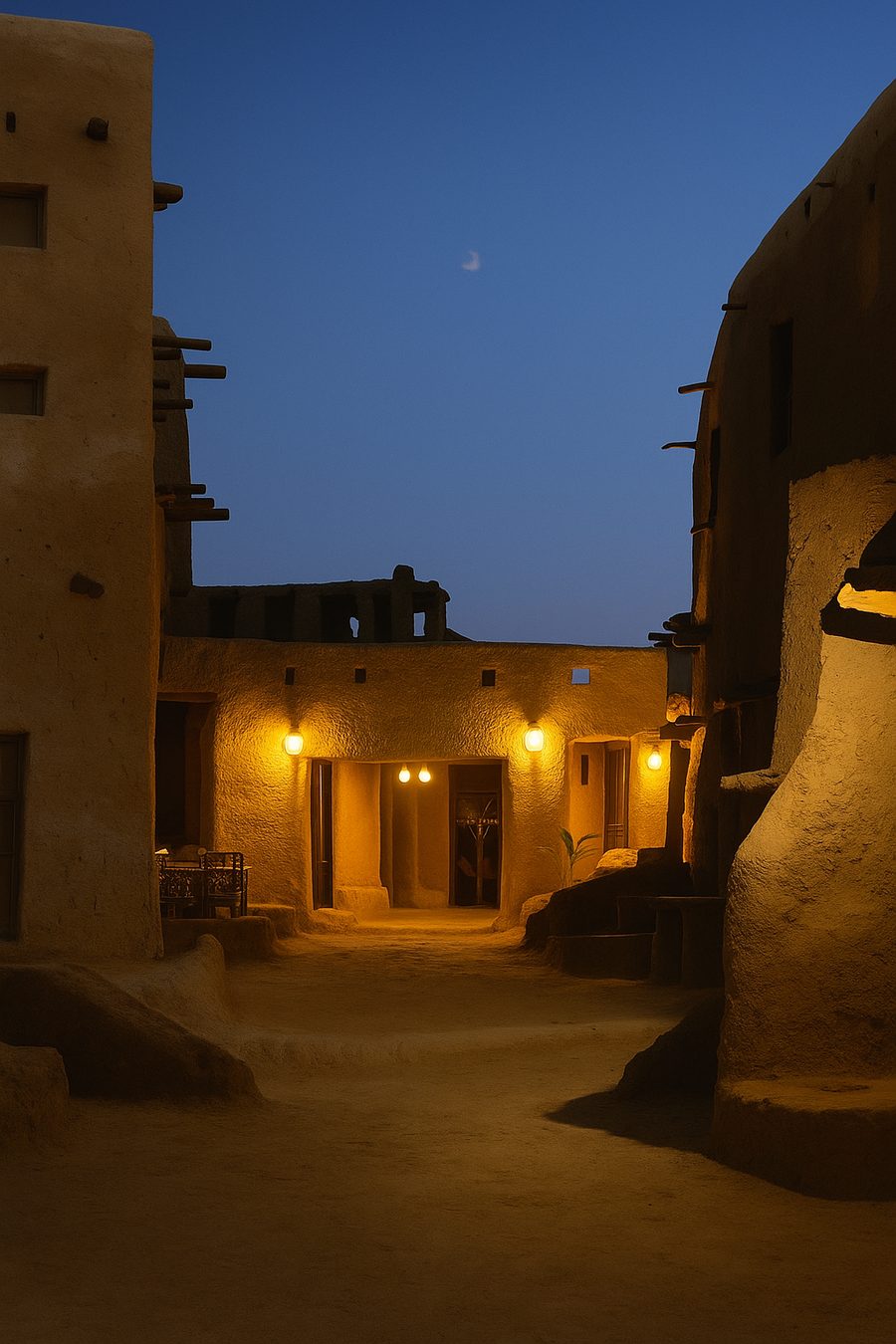
The Shali fortress
A thirteenth-century mudbrick citadel, half-melted by rare desert rains into something dreamlike.
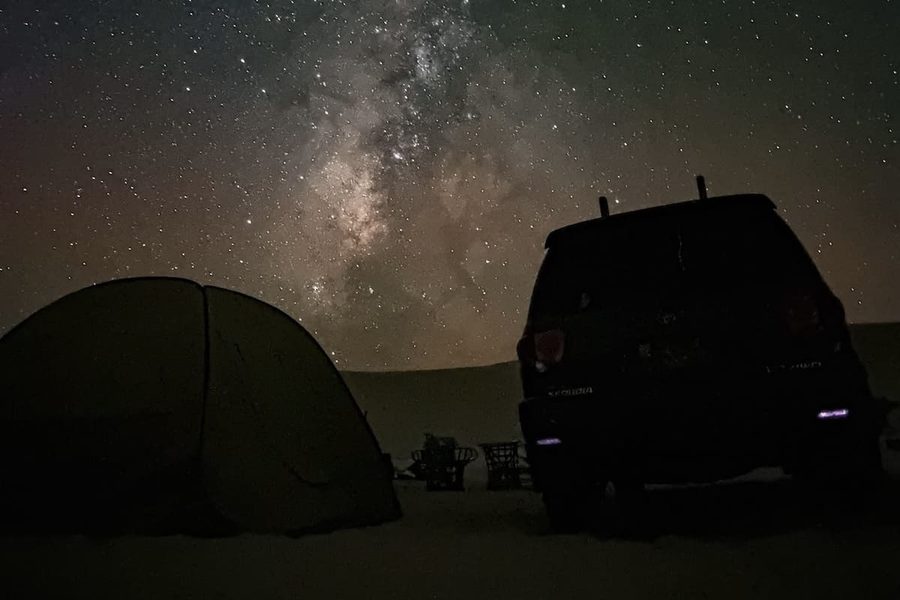
The Great Sand Sea
Dune fields running to the horizon — sandboarding, hot springs and a silence you can hear at sunset.
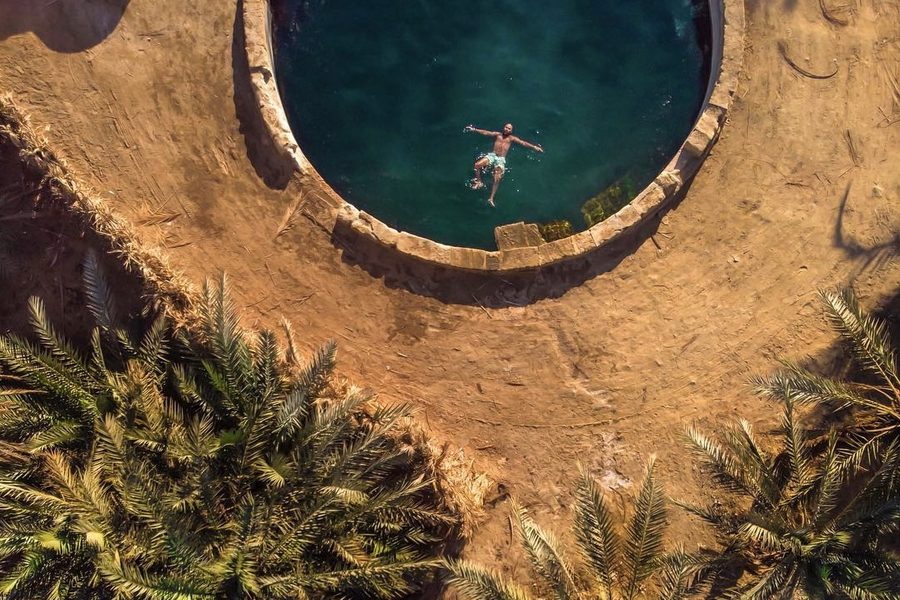
Cleopatra’s Spring
A stone-rimmed natural pool fed by a bubbling spring, shaded by palms in the heart of the oasis.
Shared departures forming here.
Loading live departures…
Before you go to Siwa.
Best season
October to April is mild; summer is very hot and the long desert drive is best avoided.
Getting there
Siwa is a long drive west from Cairo or the coast — Sawa tours handle the desert transport and guide.
How long to stay
Two or three days lets the oasis slow you down — springs by day, the Sand Sea at sunset.
Pairs well with
Often linked with the Mediterranean coast or the White Desert on a longer western-desert loop.